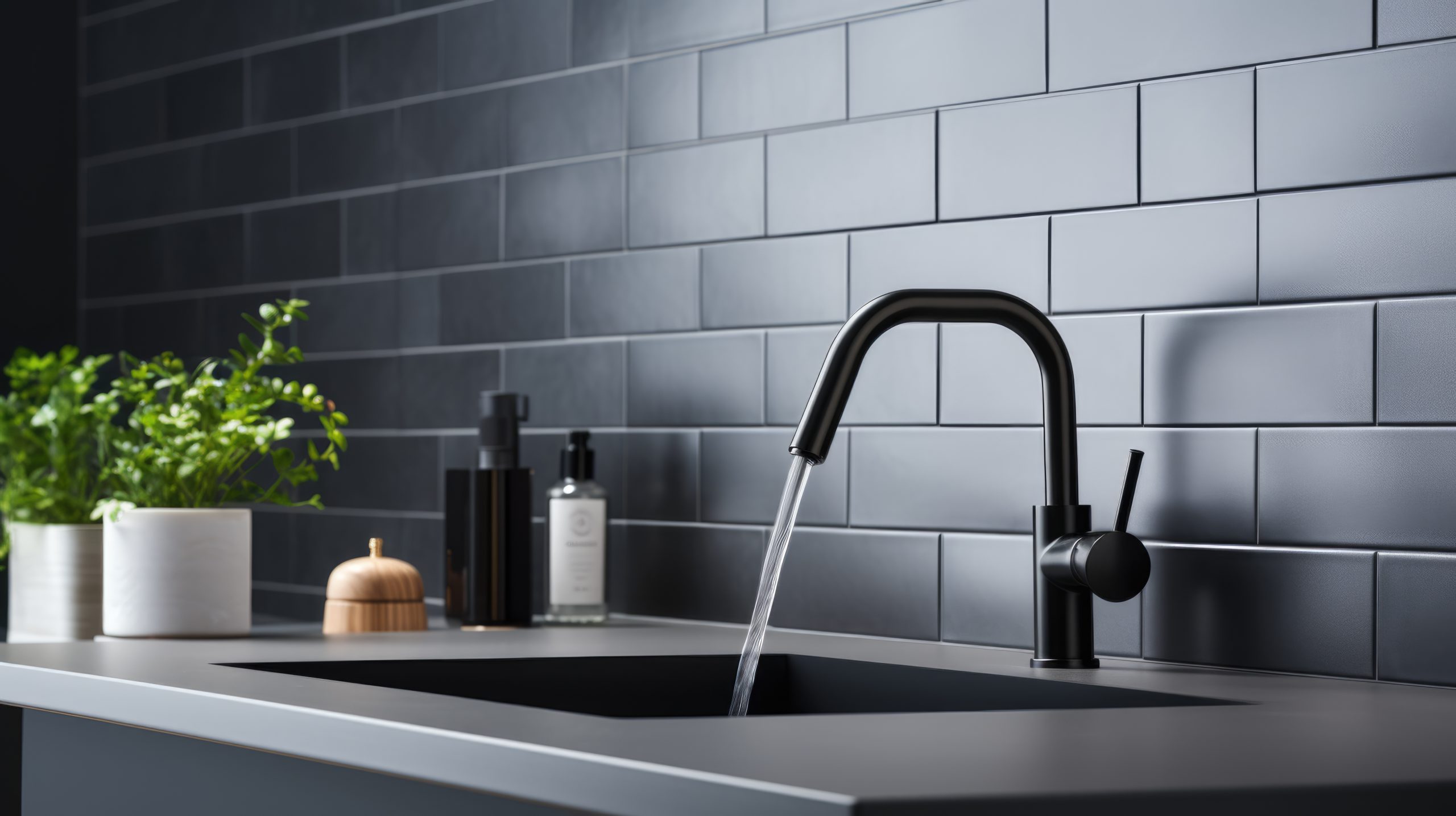
When designing or renovating a kitchen, one of the most critical aspects to consider is drainage. Proper drainage ensures that your kitchen remains functional, hygienic, and free of plumbing issues. Whether you’re opting for fitted kitchens, bespoke kitchens, or installing custom features like bespoke kitchen cabinets or a bespoke kitchen island, the drainage system must be carefully planned to meet both your kitchen’s needs and local regulations.
In this post, we’ll cover the importance of proper drainage, common drainage issues in kitchen design, and how to ensure your kitchen’s drainage system is both efficient and reliable.
The Importance of Efficient Drainage in Kitchen Design
Drainage in the kitchen primarily involves the disposal of waste water from the sink, dishwasher, and other appliances. An efficient drainage system ensures that water flows smoothly and doesn’t back up or leak, preventing potential damage to your kitchen. Proper drainage is essential for the following reasons:
- Preventing Blockages: A well-designed drainage system helps prevent blockages caused by food debris, grease, and soap buildup.
- Ensuring Hygiene: Proper drainage prevents standing water, which can lead to bacterial growth and unpleasant odors.
- Minimizing Maintenance: Well-planned drainage reduces the need for frequent repairs or cleaning, saving time and money.
Whether you are installing fitted kitchen units or creating a custom bespoke kitchen, it’s important that your kitchen’s drainage system is designed to handle the specific needs of your layout and appliances.
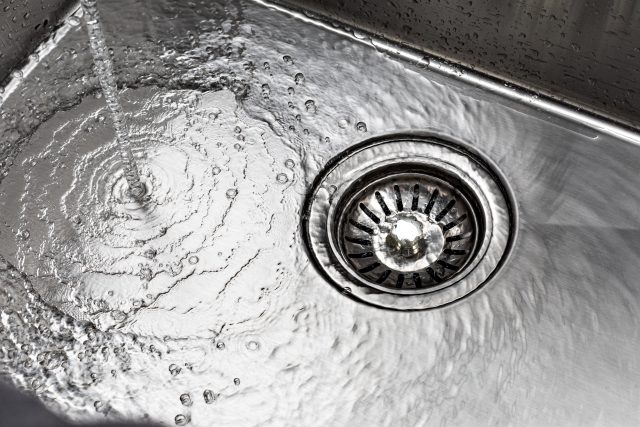
Drainage Considerations for Fitted Kitchens
In a fitted kitchen, drainage is typically integrated into the standard design of the kitchen units. Here are a few drainage considerations to keep in mind:
- Sink Position: The placement of your sink in a fitted kitchen affects the routing of the drainage pipes. Ideally, the sink should be placed against an exterior wall to allow for easy connection to the waste pipes.
- Dishwasher and Washing Machine: If you plan to install a dishwasher or washing machine in your fitted kitchen, these appliances require their own drainage connections. These should be integrated into the existing drainage system to prevent any backup or overflow issues.
- Drainage Capacity: The drainage system needs to be sized correctly to handle the number of fixtures in your kitchen. If you’re installing additional appliances, like a double sink or second dishwasher, ensure that the system is capable of handling the increased load.
Custom Drainage Solutions for Bespoke Kitchens
In bespoke kitchens, the drainage system often needs to be customized to accommodate the unique design and layout. If you’re installing features like a bespoke kitchen island or custom sink configurations, your drainage system will need to be adapted to meet the specific needs of these features. Key considerations include:
- Bespoke Kitchen Islands: If you’re adding a sink or other plumbing fixtures to a bespoke kitchen island, you’ll need to plan for the routing of both water supply and waste pipes. This may involve rerouting plumbing or installing an additional waste disposal system.
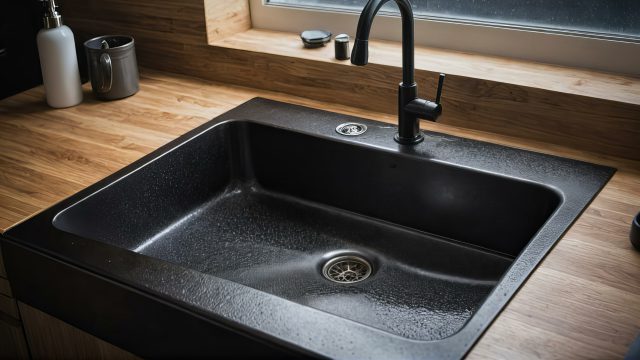
- Custom Sinks: A bespoke kitchen often includes unique sink options, such as a farmhouse or deep basin sink. These types of sinks may require specific drainage arrangements to accommodate their size and design.
- High-End Appliances: In a bespoke kitchen, you may want to install premium appliances, such as a second dishwasher, a wine cooler, or an under-counter refrigerator with a water dispenser. Each of these appliances will need to be connected to the drainage system, requiring careful planning during the design phase.

Common Drainage Issues in Kitchen Design
Regardless of whether you opt for a fitted kitchen or bespoke kitchen, drainage issues can arise if the system is not properly designed. Some of the most common drainage problems include:
- Slow Drainage: If your sink, dishwasher, or other appliances are draining slowly, it could be due to a clogged pipe or an improperly sized drainage system.
- Backflow: Backflow occurs when waste water flows back into your sink or dishwasher, which can be caused by blocked or improperly installed drainage pipes.
- Leaks: Poorly connected pipes or damaged seals can lead to water leakage, causing water damage to cabinetry and flooring.
How to Ensure Proper Drainage in Your Kitchen
To ensure that your kitchen’s drainage system functions efficiently, consider these steps:
- Professional Installation: Whether you’re installing fitted kitchen units or designing a bespoke kitchen, make sure that a qualified plumber handles the installation of your drainage system. They will ensure that the pipes are correctly sized, properly connected, and comply with local plumbing codes.
- Strategic Layout: For bespoke kitchens, the layout should be planned to allow for easy access to drainage pipes. If you’re including a bespoke kitchen island or custom cabinetry, make sure that plumbing can be routed efficiently without obstructing the design.
- Regular Maintenance: Even in a well-designed kitchen, regular maintenance of your drainage system is crucial. Avoid pouring grease or food waste down the drain and ensure that all pipes are checked periodically for signs of wear or blockage.
- Upgraded Systems: If you’re designing a new kitchen or renovating an older one, consider upgrading your drainage system to include modern features such as high-quality traps, built-in filters, or even eco-friendly water management systems.
Conclusion
Whether you’re updating your existing fitted kitchen units or designing a bespoke kitchen with custom features like a bespoke kitchen island, proper drainage is essential to the success of your project. Efficient drainage ensures that your kitchen remains functional, hygienic, and free of plumbing issues.
By working with professionals, you can ensure that your kitchen’s plumbing system is carefully integrated into your design, whether you’re opting for a standard fitted kitchen or a fully customized bespoke kitchen. Taking the time to plan your kitchen’s drainage system upfront can save you from potential headaches down the line, and help keep your kitchen running smoothly for years to come.